


Research peptides are synthetic compounds sold exclusively for laboratory study and experimentation, not for human consumption or therapeutic use. If you’re searching for these products online, understanding the critical distinction between unregulated research chemicals and consumer-safe products protects you from legal trouble and serious health risks. You can find more details here about what these compounds are, but the bottom line is simple: legitimate research peptides are intended for qualified scientists conducting controlled studies, not for personal use.
The confusion around these products is understandable. Online marketplaces flood search results with research peptides advertised alongside health claims, blurring the line between scientific materials and consumer goods. Unlike the regulated vaping products we specialize in, research peptides exist in a gray area where quality control is inconsistent, labeling is often misleading, and seller credentials are difficult to verify.
Our commitment to your safety means being honest about products outside our expertise. While we’ve built our reputation on secure shopping and transparent product information in the vaping community, we recognize when a search leads you into territory that requires specialized knowledge and extreme caution. This guide will help you understand what research peptides actually are, why they’re fundamentally different from consumer products, and what red flags to watch for if you’re evaluating suppliers for legitimate scientific purposes.
What Research Peptides Actually Are

Peptides are short chains of amino acids, the building blocks of proteins, that occur naturally in your body and perform countless functions, from signaling between cells to regulating metabolism. In scientific research, peptides serve as valuable tools for studying biological processes, testing hypotheses about how cells communicate, and exploring potential therapeutic pathways. When you see products labeled “research peptides,” the term means these substances are produced and sold exclusively for use in controlled laboratory environments by qualified researchers, not for human consumption or personal use.
The “research” designation isn’t just a technicality. These peptides are synthesized in facilities that prioritize purity for experimental purposes rather than safety for human use. They haven’t undergone the rigorous testing, quality control, and regulatory approval required for products intended for people. Legitimate research institutions purchase these compounds from specialized suppliers who verify the buyer’s credentials and intended laboratory use.
The distinction between research-grade chemicals and consumer products comes down to oversight and intended purpose. Consumer products, whether supplements, medications, or vaping equipment, must meet specific safety standards, undergo testing for contaminants, and comply with regulations designed to protect users. Research peptides exist outside this framework because they’re meant to be handled by trained professionals in lab settings with proper safety protocols, not stored in home cabinets or used without scientific supervision.
Understanding this difference matters because the online marketplace often blurs these lines. Companies selling research peptides to the general public operate in a regulatory gray area, marketing laboratory chemicals to people who lack the training, equipment, or legal standing to use them safely.
Why You’re Seeing Research Peptides Advertised Online
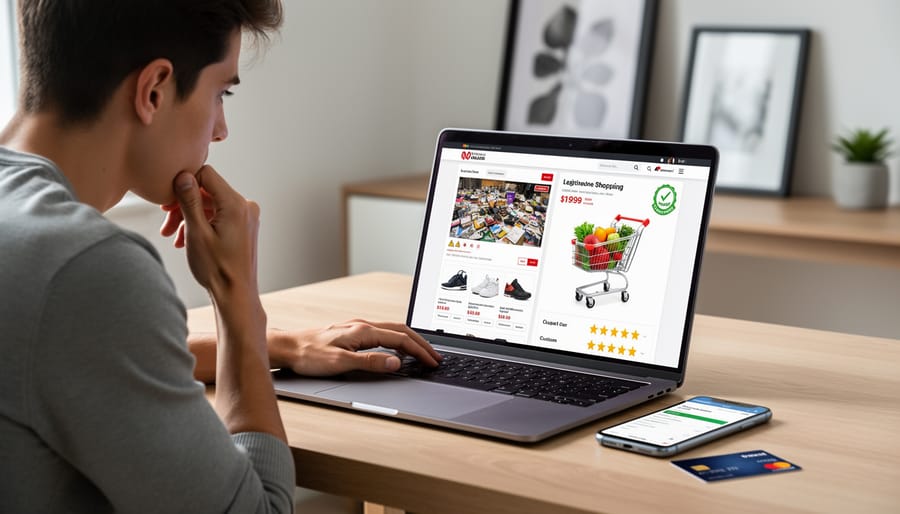
The online marketplace for research chemicals exists in a murky regulatory space that often catches consumers by surprise. These products appear alongside legitimate consumer goods because e-commerce platforms and search engines don’t always distinguish between laboratory supplies and products meant for personal use. Companies selling research peptides can legally operate by labeling their products “not for human consumption” and marketing them strictly for laboratory research purposes.
This creates a confusing situation. While genuine research institutions purchase these materials through established scientific supply channels with proper documentation, many websites market these same products directly to individual consumers. The sellers often use sophisticated marketing tactics, professional-looking websites, and consumer-friendly language that makes these laboratory chemicals seem like regular products you might order online.
The regulatory gray area exists because these compounds aren’t classified as consumer products, which means they bypass many of the safety regulations that protect you when buying everyday items. They’re not subject to the same testing, quality controls, or verification processes that legitimate consumer products undergo. No regulatory body checks whether what’s in the bottle matches the label, whether the product is contaminated, or whether the seller is operating responsibly.
This lack of oversight creates serious risks. You have no guarantee about purity, dosage accuracy, or even what compound you’re actually receiving. There’s no age verification protecting minors from accessing these materials. Customer service, if it exists at all, often disappears after a transaction. And because these products occupy a legal gray zone, you have limited recourse if something goes wrong.
The bottom line: these products appear in consumer search results not because they’re consumer products, but because online marketplaces allow it. Understanding this distinction is your first line of defense in making safe purchasing decisions.
The Difference Between Regulated and Unregulated Products
When you purchase a product online, the level of oversight it has received makes all the difference between a safe transaction and a potential risk. Consumer products sold in legitimate marketplaces operate under strict regulatory frameworks, while research chemicals exist in a completely different category.
Think about regulated consumer products like vaping equipment. Before these items reach your hands, they’ve passed through multiple verification checkpoints. Manufacturers must comply with specific standards, retailers need proper licensing, and the products themselves undergo testing for safety and quality. Our vaping guide for beginners explains how legitimate vaping products meet these standards, giving new users confidence in what they’re purchasing.
| Category | Legitimate Consumer Products | Research Chemicals |
|---|---|---|
| Regulation | FDA, state, and industry oversight with clear standards | Minimal to no consumer-facing regulation |
| Safety Testing | Required testing for consumer safety before sale | No requirement for consumer safety verification |
| Intended Use | Designed and approved for consumer use | Labeled for laboratory research only |
| Consumer Protections | Age verification, return policies, customer support | Often sold “as-is” with disclaimers |
This stark contrast extends beyond paperwork. Legitimate retailers implement age verification systems, secure payment processing, and transparent business practices because they’re accountable to regulatory bodies and their customers. They maintain physical business addresses, provide accessible customer service, and stand behind their products with clear return policies.
Research chemicals, marketed with “not for human consumption” labels, circumvent these protections entirely. There’s no guarantee of purity, no testing for contaminants, and no accountability if something goes wrong. The retailers selling these substances often operate in regulatory gray zones, which means you have little recourse if the product isn’t what was advertised.
The distinction matters because your safety depends on it. When you shop with verified, regulated retailers, you’re not just buying a product, you’re buying the peace of mind that comes with proper oversight, secure transactions, and genuine customer care.
What to Look for in Legitimate Online Retailers

Whether you’re shopping for everyday items or specialized products, knowing how to spot a legitimate online retailer can protect you from scams, low-quality goods, and potential safety issues. Here’s what separates trustworthy sellers from questionable operations.
Start with the website’s security infrastructure. Before entering any payment information, check for HTTPS in the URL and a padlock icon in your browser’s address bar. Legitimate retailers invest in SSL certificates because they’re handling sensitive customer data. If a site lacks basic encryption, that’s an immediate red flag.
Payment options tell you a lot about a business. Reputable retailers offer multiple secure payment methods, including recognized credit card processors and established services like PayPal or Shop Pay. They never ask for wire transfers, gift cards, or cryptocurrency as the only payment option. These methods offer you buyer protection, and trustworthy companies want that safety net for their customers.
Age verification matters for regulated products. Just as quality retailers selling leak-proof vape kits implement proper age checks at checkout, any business dealing in age-restricted items should have robust verification in place. If a site selling regulated products doesn’t ask for age confirmation, they’re cutting corners on compliance.
Transparent business practices are non-negotiable. Look for complete contact information including a physical address, phone number, and email. Legitimate companies make themselves easy to reach because they stand behind their products. Check their About page for company history and values. Read their return policy thoroughly. Vague or missing policies signal a business that might disappear when problems arise.
Customer service availability indicates commitment. Real companies provide multiple ways to get help, whether through live chat, phone support, or detailed FAQ sections. Test their responsiveness by asking a pre-purchase question. How they treat potential customers reveals how they’ll treat you after the sale.
Community involvement and transparent reviews demonstrate accountability. Genuine retailers encourage honest feedback and engage with their customer base. They don’t just showcase five-star reviews; they respond to concerns and show how they’ve addressed issues. Check third-party review sites beyond the company’s own testimonials to get the full picture.
Questions to Ask Before Any Online Purchase
Before clicking that “buy” button, protect yourself by asking a few critical questions. These simple checks can save you money, frustration, and potential safety issues.
Start with legality: Is this product actually legal for consumer use where I live? Some items marketed online, including research peptides, exist in regulatory gray areas or may be restricted to licensed professionals. A quick search of your state or country’s regulations can prevent legal headaches later.
Next, verify the seller’s legitimacy. Does the company provide a physical address, phone number, and email contact? Legitimate businesses don’t hide behind anonymous websites. Check if they have an “About Us” page with real company information, not just generic stock photos and vague descriptions.
Customer reviews deserve scrutiny. Are there genuine reviews from verified purchasers on multiple platforms, or just glowing testimonials on their own site? Look for detailed reviews that mention specific experiences, both positive and negative. Be wary of sellers with only perfect five-star ratings that sound suspiciously similar.
Payment security matters enormously. Does the checkout page use HTTPS encryption? Are payment options from recognized processors like PayPal, Stripe, or major credit cards? Avoid sellers who only accept cryptocurrency, wire transfers, or other irreversible payment methods that offer you no buyer protection.
How can I tell if an online retailer is legitimate?
Look for verifiable contact information including a physical address and phone number, secure HTTPS checkout, recognized payment processors, and genuine customer reviews across multiple platforms.
What payment methods are safest for online purchases?
Credit cards and PayPal offer the best buyer protection because you can dispute charges if products don’t arrive or aren’t as described. Avoid wire transfers or cryptocurrency payments that can’t be reversed.
Should I be concerned if a website has no negative reviews?
Yes, that’s a red flag. Legitimate businesses receive occasional complaints, so exclusively positive reviews often indicate fake testimonials or review manipulation.
Return and refund policies reveal a lot about a company’s confidence in their products. Can you return items if they’re defective or not as described? What’s the timeframe? Sellers of questionable products often have “no returns” policies buried in fine print.
Consider whether age verification is required where appropriate. Legitimate retailers selling age-restricted products, whether vaping equipment, certain supplements, or other items, implement proper verification systems. This shows they’re following regulations and care about responsible sales practices, just as responsible consumers research topics like how to prevent weed headaches before trying new products.
Finally, trust your instincts. If something feels off, prices too good to be true, pressure tactics, or evasive answers to questions, walk away. There’s always another seller, but you can’t undo a purchase from a scam operation.
Shopping online requires vigilance and smart decision-making, regardless of what you’re buying. When you understand the difference between regulated consumer products and unregulated research materials, you’re better equipped to protect yourself and make purchases that are both safe and legal.
At Expert Vaping, we’ve built our reputation on transparency, secure transactions, and genuine care for our community. We carry products that meet regulatory standards, verify the age of our customers, and maintain clear communication channels because we believe that’s what responsible retailers do. These aren’t optional extras, they’re the baseline for any business that values its customers.
The same principles apply to every online purchase you make. Before clicking “buy,” take a moment to verify you’re dealing with a legitimate company. Check for secure payment systems, read actual customer reviews, and confirm the business has real contact information. If something feels off or the product seems to exist in a regulatory gray area, trust your instincts.
Your safety matters more than convenience or price. Whether you’re shopping for vaping supplies, electronics, or anything else, stick with verified retailers who operate transparently and stand behind what they sell. The few extra minutes spent researching a company can save you from significant problems down the road.
We’re here to serve our community with products we trust and practices that prioritize your security. That commitment guides everything we do.