

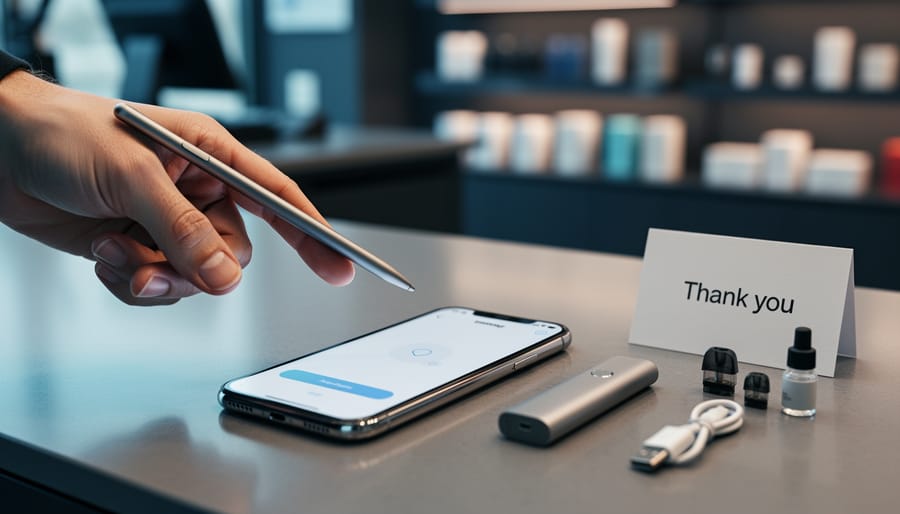
Understanding what your customers think about their experience starts with asking the right customer experience questions at the right moments. For vaping retailers and e-commerce businesses in 2026, these questions fall into three categories: satisfaction measurement (Did we meet your expectations?), experience evaluation (How smooth was your shopping and product use?), and improvement discovery (What would make your next visit better?). When you ask targeted questions about product selection, shipping speed, website navigation, and post-purchase support, you collect feedback that directly improves your business and builds the community trust that keeps customers coming back.
The difference between generic surveys and effective customer experience questions lies in specificity. Instead of asking “How was everything?”, successful vaping retailers ask “Did our product descriptions give you enough information to choose confidently?” or “How quickly did you find what you needed on our site?” These focused questions reveal actual friction points in your customer journey rather than collecting vague positive responses.
Right now, your customers have opinions about every interaction with your business, from browsing to unboxing. The challenge is that most won’t share those thoughts unless you ask directly and make it easy to respond. Strategic customer experience questions turn silent observations into actionable insights that strengthen your secure shopping experience and help you serve both new vapers and experienced users more effectively.
This guide breaks down the essential questions every vaping retailer should ask, explains when and how to collect responses, and shows you how to turn feedback into concrete improvements that matter to your adult customers.
Why Customer Experience Questions Matter in the Vaping Industry
The vaping industry operates in a uniquely challenging environment where every customer interaction carries more weight than a typical e-commerce transaction. Between stringent FDA online age verification requirements, constantly evolving state and federal regulations, and a product category that demands careful consideration of user experience levels, vaping retailers face obstacles that standard e-commerce businesses never encounter. This complexity makes customer experience questions not just helpful but essential for survival and growth.
Consider what your customers navigate when they shop with you: They must prove their age through verification systems that can feel invasive. They face product selections ranging from simple disposable vapes to complex mod systems with dozens of specifications. They need to trust that you’ll handle their personal information responsibly in an industry that attracts regulatory scrutiny. And they’re making purchase decisions about products that directly affect their daily experience, whether they’re new to vaping or longtime enthusiasts looking for specific flavor profiles and nicotine strengths.
Without targeted customer experience questions, you’re flying blind through this complexity. You might assume your age verification process is smooth, but customers could be abandoning carts because they find it confusing or overly intrusive. You might think your product descriptions serve everyone equally, when in reality beginners feel overwhelmed and experienced users lack the technical details they need. You could be losing repeat business over shipping issues or customer service gaps you don’t even know exist.
The right questions cut through assumptions and reveal exactly where your business succeeds and where it falls short. They help you understand whether customers trust your security measures, whether they feel respected during age verification, and whether they can actually find what they need on your site. In a market where building long-term customer relationships determines success more than one-time sales, these insights become your competitive advantage.
Essential Customer Experience Questions Every Vaping Retailer Should Ask
Questions About Product Selection and Discovery
Understanding how customers discover and choose products reveals critical insights about your website’s performance. Website usability drives conversion making these questions essential for identifying navigation barriers and content gaps that cost you sales.
Start by asking customers how they found the specific product they purchased. Did they use search, browse categories, or follow a recommendation? This reveals whether your site architecture matches customer shopping patterns. For vaping products with technical specifications, knowing the discovery path helps you optimize for both browsing convenience and targeted searches.
Consider these specific questions to uncover navigation and selection issues:
- How easy was it to find the product you were looking for on our website?
- Did the product descriptions include all the information you needed to make a confident purchase decision?
- Were you able to compare different products easily when making your choice?
- Did the website help you identify products appropriate for your experience level?
- What additional product information would have been helpful during your shopping experience?
- How could we improve our product categories or filters to make browsing easier?
Pay special attention to responses from beginners versus experienced vapers. New customers often struggle with technical terminology, while advanced users want detailed specifications that beginners find overwhelming. Ask directly whether product descriptions matched their knowledge level and what they wish they’d known before purchasing. These answers help you tailor content that serves both audiences without confusing either group.
Questions About the Shopping Experience and Security

The checkout process in vaping e-commerce requires extra layers of verification that don’t exist in most other industries. Understanding how customers experience these necessary security steps is crucial for balancing compliance with convenience.
Start with checkout clarity: “How easy was it to complete your purchase from start to finish?” This broad customer experience question establishes whether your process feels streamlined or frustrating. Follow with specifics about age verification: “Did our age verification process feel secure without being unnecessarily complicated?” Many customers appreciate thorough verification as a sign of legitimacy, but excessive friction drives them away.
Payment security deserves direct attention. Ask: “How confident did you feel entering your payment information on our site?” This customer experience question reveals whether your security indicators (SSL certificates, trusted payment badges, clear privacy policies) actually reassure shoppers. For returning customers, “Was our saved payment process both convenient and secure?” helps you understand if your balance is right.
Cart abandonment often signals hidden concerns. “If you left items in your cart without purchasing, what stopped you?” uncovers obstacles like unexpected shipping costs, unclear delivery times, or security doubts that weren’t obvious from analytics alone.
The mobile experience matters significantly. “If you shopped on your phone or tablet, how did the experience compare to desktop?” identifies platform-specific friction points that desktop testing might miss.
These customer experience questions help you maintain regulatory compliance while creating a shopping journey that feels trustworthy rather than burdensome.
Questions About Post-Purchase Satisfaction
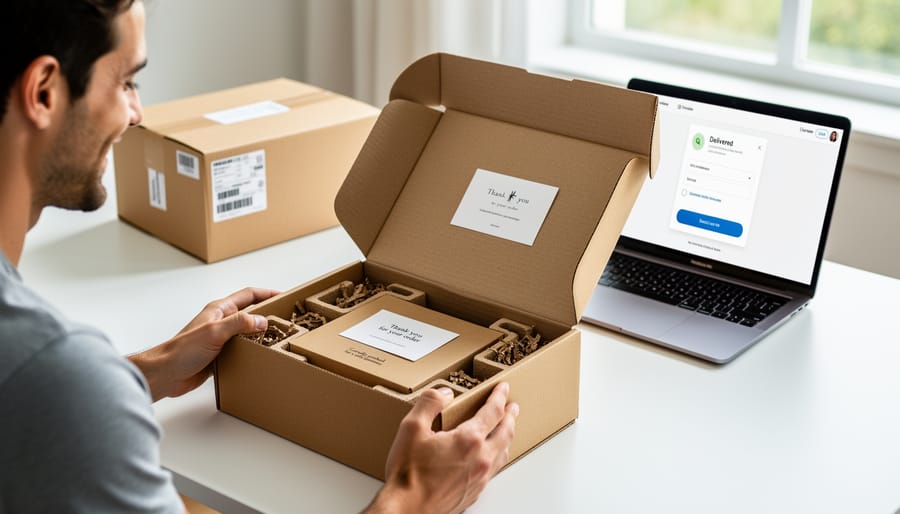
The post-purchase phase reveals whether your promises match reality. Start by asking: “Did your order arrive within the expected timeframe?” This question captures both shipping speed and whether your delivery estimates are accurate. Follow up with: “How would you rate the condition of your package upon arrival?” to identify any recurring shipping or packaging issues.
For product quality, ask: “Did the product meet your expectations based on our website description?” This helps you refine product pages and catch any disconnect between what you promise and what customers receive. A simple “Would you purchase from us again?” gives you a clear loyalty metric, while “How likely are you to recommend Expert Vaping to a friend or family member who vapes?” provides your Net Promoter Score, one of the most reliable indicators of customer satisfaction.
Don’t overlook support interactions. Ask: “If you contacted customer service, how satisfied were you with the resolution?” Even customers who don’t reach out appreciate knowing you care about their experience. Finally, “What would make your next purchase even better?” invites specific, actionable suggestions that show where to focus your improvement efforts. These questions complete the feedback loop from browsing to delivery.
Questions That Uncover Community Values

Many vaping customers care deeply about supporting businesses that give back and reflect their values. Asking questions about community initiatives reveals whether your customers even know about your charitable work and whether it influences their purchasing decisions.
Start with awareness questions: “Are you aware that a portion of every purchase supports local community organizations?” or “Did you know we donate to [specific cause]?” These questions often reveal a gap between what you’re doing and what customers actually know about, highlighting the need for better communication of your values.
Follow up with impact questions: “How important is it to you that your vaping retailer supports community causes?” and “Does knowing about our charitable contributions affect your decision to shop with us?” The answers help you understand whether these initiatives genuinely matter to your customer base or if you’re investing resources in something they don’t value.
Consider asking open-ended questions like “What causes or community initiatives would you like to see us support?” This not only provides direction for future giving but also strengthens the connection between your brand and customer values. When customers feel heard on these deeper issues, they’re more likely to become loyal advocates who see your business as more than just a transaction.
How to Collect Customer Experience Feedback Effectively
Collecting customer experience questions from your vaping customers requires a thoughtful approach that balances gathering valuable insights with respecting their time. The right methods depend on where customers are in their journey with your business and what specific feedback you need.
Post-purchase surveys remain one of the most effective collection methods. Send a brief email survey 3-5 days after delivery, when customers have had time to evaluate their products and the overall experience. Keep these surveys to 5-7 questions maximum, focusing on the most critical touchpoints. A simple rating scale question followed by an open-ended “What could we improve?” consistently yields actionable feedback without causing survey fatigue.
Website feedback tools offer real-time insights into the shopping experience. A subtle, unobtrusive widget that appears after customers spend time browsing or complete a purchase can capture immediate impressions. These tools work particularly well for questions about navigation, product discovery, and security concerns during checkout. The key is making feedback optional and easy to dismiss so it enhances rather than disrupts the browsing experience.
Your customer service interactions provide natural opportunities to gather responses to customer experience questions. After resolving an inquiry or concern, representatives can ask one or two targeted questions about the interaction and the broader shopping experience. These conversations often uncover issues customers wouldn’t mention in a formal survey because the rapport is already established.
To implement an effective feedback collection system:
- Start with post-purchase email surveys 3-5 days after delivery, limiting them to 5-7 essential questions.
- Add an optional website feedback widget that appears after browsing for 2-3 minutes or completing checkout.
- Train customer service staff to ask 1-2 follow-up questions during support interactions.
- Rotate question topics monthly to avoid repeatedly asking the same customers identical questions.
- Set a frequency cap so individual customers receive no more than one survey every 90 days unless they’ve made multiple purchases.
Timing matters significantly. Avoid sending surveys during holidays or immediately after customers receive shipping notifications but before products arrive. Test different send times, mid-morning on weekdays typically yields higher response rates than evenings or weekends for adult customers.
Always include an incentive for longer surveys. A small discount on the next purchase or entry into a monthly drawing increases participation without creating bias toward positive responses. Make participation genuinely optional and never gate customer support or future purchases behind completing feedback forms.
Turning Answers Into Action: What to Do With Customer Feedback
Collecting feedback means nothing if it sits in a spreadsheet. The real value comes from turning those customer experience question responses into tangible improvements your customers can see and feel.
Start by organizing responses into themes. If fifteen customers mention confusing product descriptions for beginners, that’s not fifteen isolated complaints, that’s a clear priority. Look for patterns across different question types: are checkout friction and security concerns appearing together? Do new customers struggle where experienced users don’t?
Prioritize based on impact and feasibility. A simple fix that affects many customers (like clarifying nicotine strength labels) delivers more value than a complex overhaul benefiting few. Focus on changes that directly address the most common pain points first.
When you implement improvements, tell your customers about them. Send an email explaining, “You asked for clearer shipping timelines, so we’ve added estimated delivery dates to every product page.” This closes the feedback loop and shows people their voices matter. It transforms a transaction into a relationship.
Track whether changes actually work by monitoring the same questions over time. If you’ve improved product filtering based on feedback, are fewer customers now struggling to find what they need?
For the vaping industry specifically, use feedback to refine age verification processes that balance security with convenience, improve product education for different experience levels, and strengthen trust signals throughout the shopping experience.
The businesses that thrive don’t just ask customer experience questions, they demonstrate through action that customer input shapes real decisions. When shoppers see their feedback reflected in your site’s improvements, they become invested in your success, not just occasional purchasers.
The customer experience questions you choose to ask shape more than your data, they shape your relationships. Every question signals to your customers that their voice matters, that you’re listening, and that their satisfaction drives real change in how you operate.
In the competitive vaping market of 2026, where trust and compliance go hand in hand, the retailers who thrive are the ones who treat feedback as an ongoing conversation, not a one-time survey. They ask specific, thoughtful questions. They act on what they hear. They close the loop by showing customers exactly how their input improved the shopping experience, the product selection, or the checkout process.
The gap between average retailers and exceptional ones isn’t inventory size or website design alone. It’s the commitment to continuous improvement based on genuine customer insight. The questions we’ve explored give you a framework, but the real work starts when you implement them consistently and follow through on what you learn.
Start today. Pick three customer experience questions from this guide, send them to your most recent customers, and commit to acting on at least one piece of feedback this month. Your customers will notice the difference, and so will your bottom line.